

Blogs
Kidney Disease Causing High Blood Pressure: What You Should Know

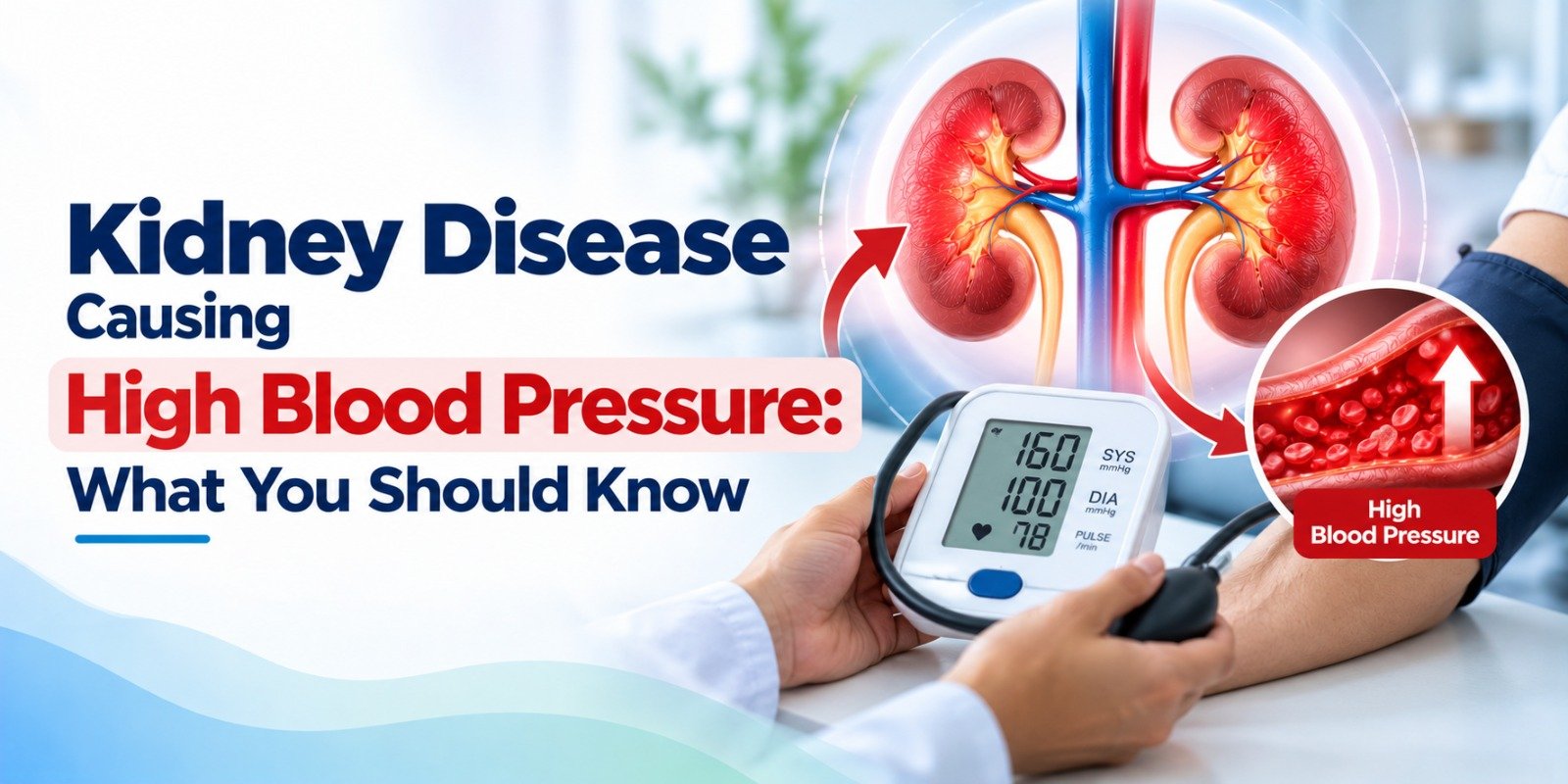
Kidneys and blood pressure are closely connected. Your kidneys help remove extra fluid and waste from your blood and also play an important role in controlling blood pressure.
When the kidneys are damaged, they may not remove enough salt and fluid from the body. They can also affect hormones that help control blood pressure. As a result, kidney disease can cause or worsen high blood pressure.
How Do the Kidneys Control Blood Pressure?
Healthy kidneys help control blood pressure in several ways. They remove extra salt and water from the body and help regulate certain hormones involved in blood pressure.
When the kidneys are not working properly, extra salt and fluid may build up. This can increase the amount of fluid in the blood vessels and raise blood pressure.
Kidney problems can also affect the renin-angiotensin-aldosterone system (RAAS), which plays an important role in blood pressure control.
How Can Kidney Disease Cause High Blood Pressure?
There are several ways kidney disease can contribute to high blood pressure.
- Extra Fluid Builds Up
Damaged kidneys may not remove enough water and salt from the body. The extra fluid can increase pressure inside the blood vessels.
- Hormone Changes
The kidneys help control hormones involved in blood pressure. Kidney damage can disturb this balance and cause blood pressure to rise.
- Blood Vessel Changes
Kidney disease can be linked with changes in the blood vessels. Narrow or damaged blood vessels can make it harder for blood to flow normally and may contribute to high blood pressure.
Can High Blood Pressure Damage the Kidneys?
Yes. High blood pressure can damage the small blood vessels and filtering units inside the kidneys over time.
When this damage continues, kidney function may gradually decrease. This is why controlling blood pressure is an important part of protecting kidney health.
In some people, kidney disease and high blood pressure can therefore become a cycle:
Kidney damage → High blood pressure → More kidney damage
What Are the Symptoms?
High blood pressure often does not cause noticeable symptoms, even when the numbers are very high. Kidney disease may also have few symptoms in its early stages.
As kidney function decreases, some people may experience:
- Swelling in the feet, ankles, legs, or face
- Changes in urination
- Foamy urine
- Blood in the urine
- Tiredness or weakness
- Nausea
- Itchy skin
- Shortness of breath
These symptoms can have many different causes, so they should be checked by a healthcare professional.
Who Is at Higher Risk?
The risk of kidney disease and high blood pressure may be higher in people who have:
- Diabetes
- Long-term high blood pressure
- Heart disease
- A family history of kidney disease
- Obesity
- Previous kidney problems
- Certain autoimmune or inherited conditions
If you have one or more of these risk factors, regular health checks may be important.
What Treatment May Be Used?
Treatment depends on the cause and severity of kidney disease and high blood pressure.
Doctors may recommend:
- Blood pressure medicines
- Medicines that protect kidney function
- Diabetes management
- Changes to diet and salt intake
- Regular exercise
- Weight management
- Treatment of the underlying kidney condition
Some blood pressure medicines, including ACE inhibitors and ARBs, may be used in people with certain types of kidney disease because they can help lower blood pressure and reduce albumin in the urine. Your doctor will decide whether these medicines are appropriate for you.
When Should You See a Doctor?
If you have high blood pressure, regular monitoring is important even if you feel well.
Talk to a healthcare professional if you have:
- Repeatedly high blood pressure readings
- Swelling in your legs or face
- Changes in urination
- Foamy or bloody urine
- Unexplained tiredness
- Diabetes along with high blood pressure
- A history of kidney disease
Very high blood pressure accompanied by symptoms such as severe headache, chest pain, severe shortness of breath, confusion, weakness, or vision changes needs urgent medical attention.
Final Thoughts
Kidney disease and high blood pressure are closely linked. Kidney disease can raise blood pressure, while uncontrolled high blood pressure can cause further kidney damage.
The good news is that managing blood pressure, controlling diabetes, following a healthy lifestyle, taking prescribed medicines, and getting regular kidney tests can help protect kidney function.