


Blogs
Kidney-Friendly Diet: What Should Kidney Patients Eat?

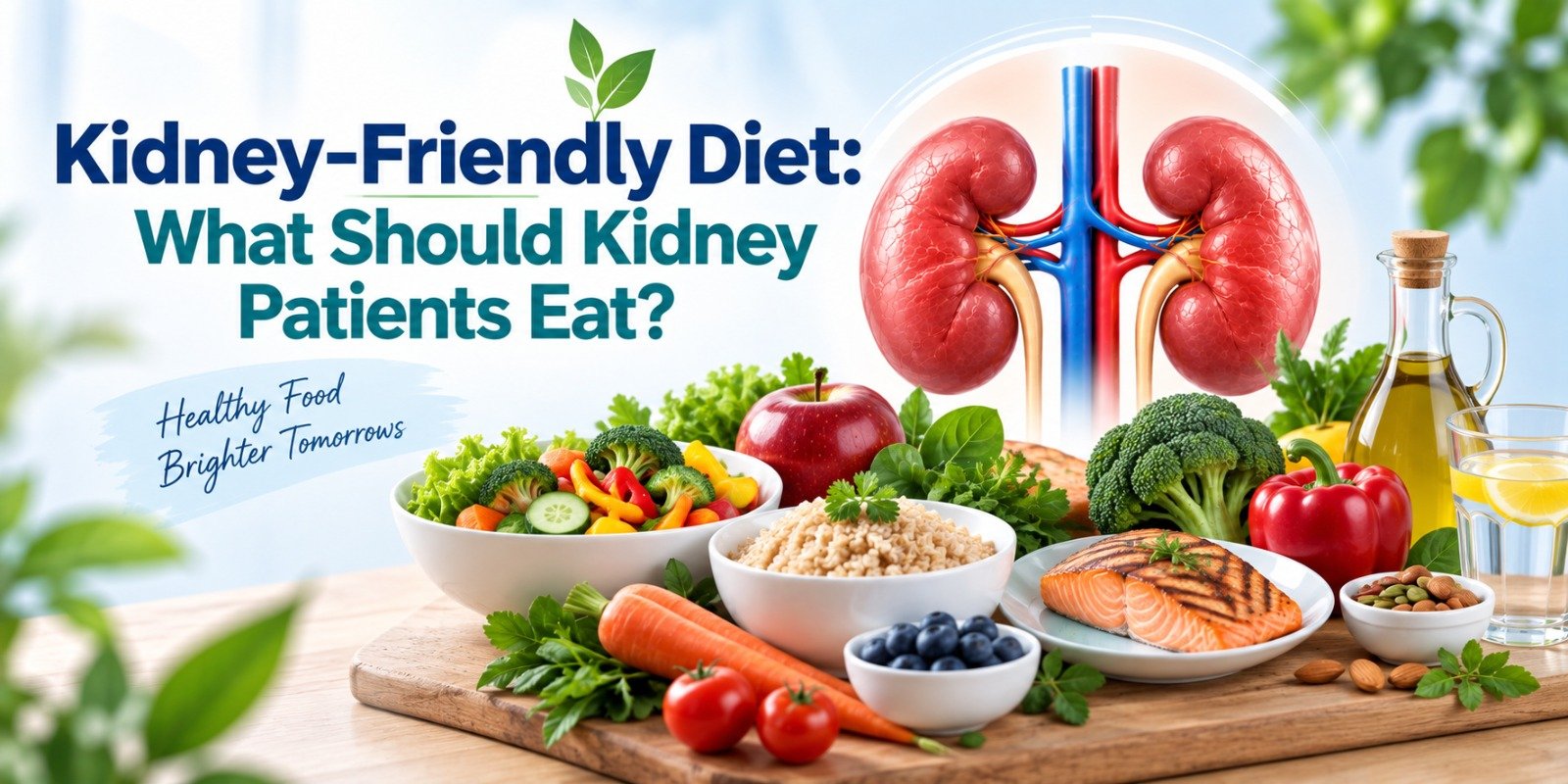
A kidney-friendly diet can help reduce stress on the kidneys and support overall health. However, the right diet is different for each person because it depends on kidney function, blood pressure, diabetes, medications, and other health conditions.
What Foods Can Kidney Patients Eat?
Some foods that may be included in a kidney-friendly diet are:
- Fresh fruits and vegetables in portions recommended by your healthcare professional
- Rice, roti, oats, and other suitable grains
- Fresh homemade foods instead of highly processed foods
- Healthy sources of protein in the amount recommended by your doctor or dietitian
- Low-sodium foods to help manage blood pressure and fluid retention
- Healthy fats such as small amounts of suitable vegetable oils
Foods That May Need to Be Limited
Depending on kidney function and blood test results, your doctor or dietitian may ask you to limit:
1. Salt
Too much salt can increase blood pressure and cause the body to hold extra fluid.
Try to reduce:
- Pickles
- Papad
- Packaged snacks
- Instant noodles
- Processed foods
- Very salty sauces and seasonings
2. Potassium
Some people with kidney disease need to control potassium because damaged kidneys may not remove excess potassium effectively.
Foods high in potassium include bananas, oranges, potatoes, tomatoes, and some dried fruits. Do not restrict potassium foods unless your healthcare professional recommends it, because some kidney patients may actually need adequate potassium.
3. Phosphorus
High phosphorus levels can occur in some people with reduced kidney function. Foods and drinks with added phosphorus may need to be limited.
Examples include:
- Processed foods
- Cola drinks
- Processed meats
- Some packaged foods
- Certain dairy products
4. Protein
Protein is important for the body, but some people with chronic kidney disease may need to adjust the amount they eat.
Your protein needs should be decided based on your kidney function and overall health. People on dialysis may have different protein needs.
Why Is a Kidney-Friendly Diet Important?
A suitable diet can help:
- Support kidney function
- Manage blood pressure
- Control fluid balance
- Maintain healthy blood mineral levels
- Reduce the amount of waste the kidneys need to remove
Simple Tips for a Kidney-Friendly Diet
- Choose fresh foods more often.
- Reduce added salt.
- Read food labels carefully.
- Avoid frequent processed and packaged foods.
- Follow your doctor’s advice about fluids.
- Do not take supplements or herbal products without medical advice.
- Work with a kidney dietitian if you have chronic kidney disease.
Conclusion
A kidney-friendly diet is not the same for everyone. The right amount of salt, potassium, phosphorus, protein, and fluids depends on your kidney function and individual health needs.
If you have kidney disease, speak with your doctor or a qualified dietitian before making major changes to your diet.