
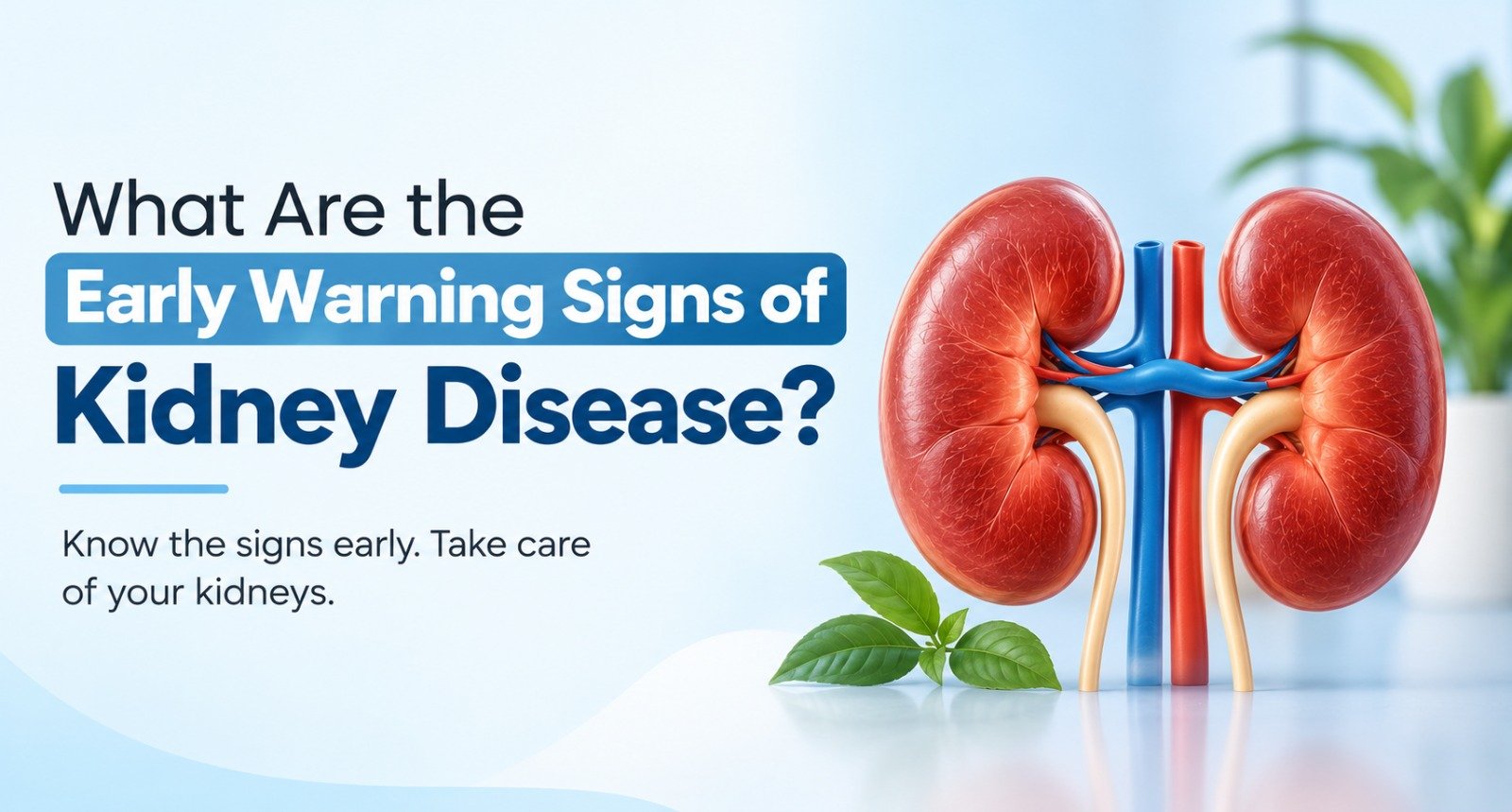
Kidneys are important organs that help remove waste and extra fluid from the body. They also help control blood pressure, balance minerals, and support healthy blood production. The problem is that *kidney disease can develop slowly*, and many people may not notice any symptoms in the early stages.
Knowing the early warning signs can help you get the right tests and treatment sooner.
1. Changes in Urination
Changes in your urine can sometimes be an early sign of a kidney problem. You may notice:
* Urinating more or less often than usual
* Waking up frequently at night to urinate
* Foamy or bubbly urine
* Blood in the urine
* Dark or unusual-looking urine
* Difficulty or pain while urinating
Foamy urine can sometimes happen for simple reasons, but persistent foam may be related to protein in the urine.
2. Swelling in the Body
Healthy kidneys remove extra fluid from the body. When kidney function is reduced, extra fluid can build up.
You may notice swelling around the:
* Feet and ankles
* Legs
* Hands
* Face or eyes
If swelling continues without an obvious reason, it is a good idea to speak with a doctor.
3. Feeling Tired or Weak
Kidney disease can sometimes cause tiredness, weakness, or a lack of energy. This can happen because damaged kidneys may produce less of a hormone called erythropoietin, which helps the body make red blood cells.
However, tiredness can have many causes, so it does not always mean you have kidney disease.
4. Nausea or Loss of Appetite
As kidney function becomes worse, waste products can build up in the blood. This may lead to:
* Nausea
* Poor appetite
* Vomiting
* An unpleasant taste in the mouth
These symptoms are more common in advanced kidney problems.
5. Changes in Skin
Some people with kidney disease may experience *dry, itchy skin*. This can happen when the kidneys have difficulty maintaining the body’s mineral and fluid balance.
Persistent itching without a clear cause should be discussed with a healthcare professional.
6. Muscle Cramps
Kidney problems can affect the body’s balance of minerals and fluids. As a result, some people may experience muscle cramps, especially in the legs.
Frequent or unexplained cramps should not be ignored.
7. Trouble Sleeping
Kidney disease may sometimes be linked with sleep problems. Some people may have difficulty sleeping, restless legs, or frequent nighttime urination.
Poor sleep itself can also have many other causes, so proper evaluation is important.
8. High Blood Pressure
High blood pressure and kidney disease are closely connected. High blood pressure can damage the small blood vessels in the kidneys over time. At the same time, damaged kidneys can make it harder for the body to control blood pressure.
Regular blood pressure checks can therefore be an important part of kidney health.
Can Kidney Disease Have No Symptoms?
Yes. This is one of the most important things to understand about kidney disease.
Early kidney disease may cause few or no noticeable symptoms. A person may feel completely healthy while kidney function is gradually changing.
Simple tests can help detect kidney problems. Doctors may recommend:
* *Blood test:* to check creatinine and estimate kidney function (eGFR)
* *Urine test:* to look for protein or albumin in the urine
* *Blood pressure check:* because high blood pressure is closely related to kidney health
People with diabetes, high blood pressure, heart disease, a family history of kidney disease, or other risk factors may need regular kidney checks.
When Should You See a Doctor?
Talk to a healthcare professional if you notice persistent changes in urination, swelling, unexplained tiredness, blood in your urine, or other unusual symptoms.
Seek urgent medical attention if you have severe difficulty breathing, very little or no urine, severe swelling, confusion, or severe weakness.
Conclusion
Kidney disease can be difficult to recognize because the early stages may not cause obvious symptoms. Changes in urination, swelling, tiredness, high blood pressure, and other symptoms can sometimes be warning signs, but these symptoms can also occur for many other reasons.