
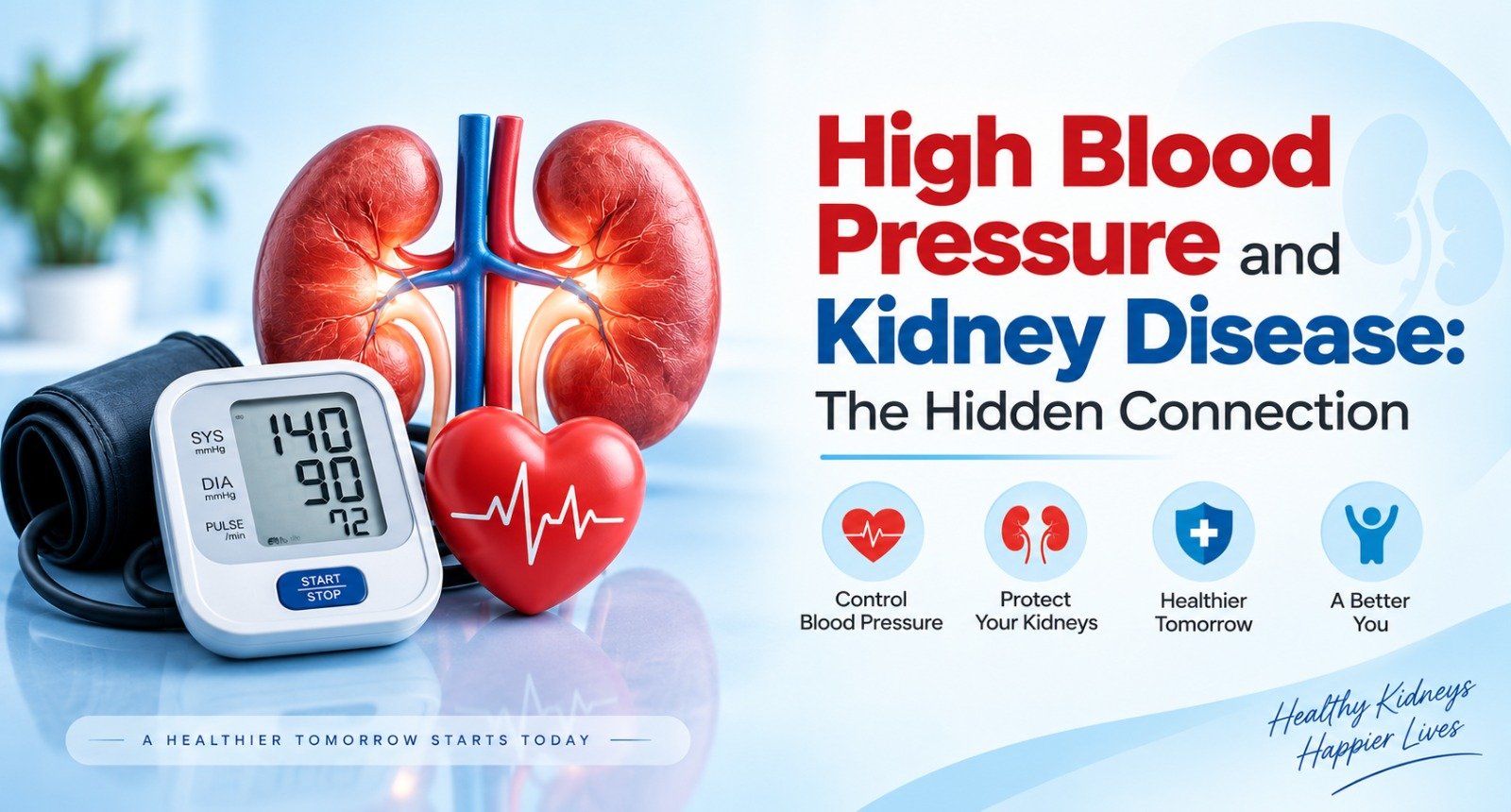
High blood pressure and kidney disease are closely related. Many people do not know that high blood pressure can slowly damage the kidneys. At the same time, kidney disease can also cause blood pressure to increase.
This creates a cycle that can affect your health if it is not managed properly. Understanding this connection can help you take better care of your kidneys and overall health.
What Is High Blood Pressure?
High blood pressure, also called hypertension, happens when the blood pushes too strongly against the walls of the blood vessels for a long period.
High blood pressure often does not cause clear symptoms. A person may feel completely normal even when their blood pressure is high. This is why regular blood pressure checks are important.
How Does High Blood Pressure Damage the Kidneys?
The kidneys have millions of tiny blood vessels that help filter waste and extra fluid from the blood.
When blood pressure stays high for a long time, it can damage these small blood vessels. As a result, the kidneys may slowly lose their ability to filter the blood properly.
If this continues for many years, it can increase the risk of chronic kidney disease.
How Can Kidney Disease Increase Blood Pressure?
The connection also works in the opposite direction.
Healthy kidneys help remove extra fluid and sodium from the body and play an important role in controlling blood pressure. When the kidneys are not working properly, they may hold on to extra fluid and sodium.
This extra fluid can increase blood pressure. Kidney disease can therefore make high blood pressure worse.
Common Risk Factors
Some people have a higher risk of developing kidney problems related to high blood pressure. These include people with:
* Long-term high blood pressure
* Diabetes
* Heart disease
* Family history of kidney disease
* Overweight or obesity
* High-salt diet
* Smoking
* Previous kidney problems
Having these risk factors does not mean that kidney disease will definitely develop, but regular health checks can help detect problems early.
Signs to Watch For
Both high blood pressure and early kidney disease may not cause noticeable symptoms. As kidney problems progress, some people may notice:
* Swelling in the feet, ankles, or face
* Changes in urination
* Feeling tired or weak
* Loss of appetite
* Nausea
* Trouble concentrating
* Shortness of breath
These symptoms can also happen because of other health conditions, so proper medical testing is important.
How Can You Protect Your Kidneys?
Taking care of your blood pressure can help protect your kidneys. Some simple steps include:
Check Your Blood Pressure
Check your blood pressure regularly, especially if you already have hypertension or other health risk factors.
Eat Less Salt
Too much salt can increase blood pressure and cause the body to retain extra fluid. Try to limit very salty and highly processed foods.
Stay Physically Active
Regular exercise can help maintain healthy blood pressure and support overall health. Choose activities that are comfortable and suitable for your health condition.
Maintain a Healthy Weight
Maintaining a healthy weight can help manage blood pressure and reduce the risk of several health problems.
Take Medicines as Prescribed
If your doctor has prescribed medicine for blood pressure, take it as directed. Do not stop or change your medicine without speaking with your doctor.
Get Regular Kidney Check-Ups
Blood and urine tests can help doctors check how well your kidneys are working. People with high blood pressure may need regular kidney tests based on their individual health condition.
Conclusion
High blood pressure and kidney disease have a strong connection. High blood pressure can slowly damage the kidneys, while kidney problems can make blood pressure rise. This can create a harmful cycle over time.
The good news is that managing blood pressure, eating a balanced diet, staying active, limiting excess salt, taking prescribed medicines, and getting regular health check-ups can help protect kidney health.