

Blogs
Kidney Stone Prevention: Diet, Water Intake & Lifestyle Tips

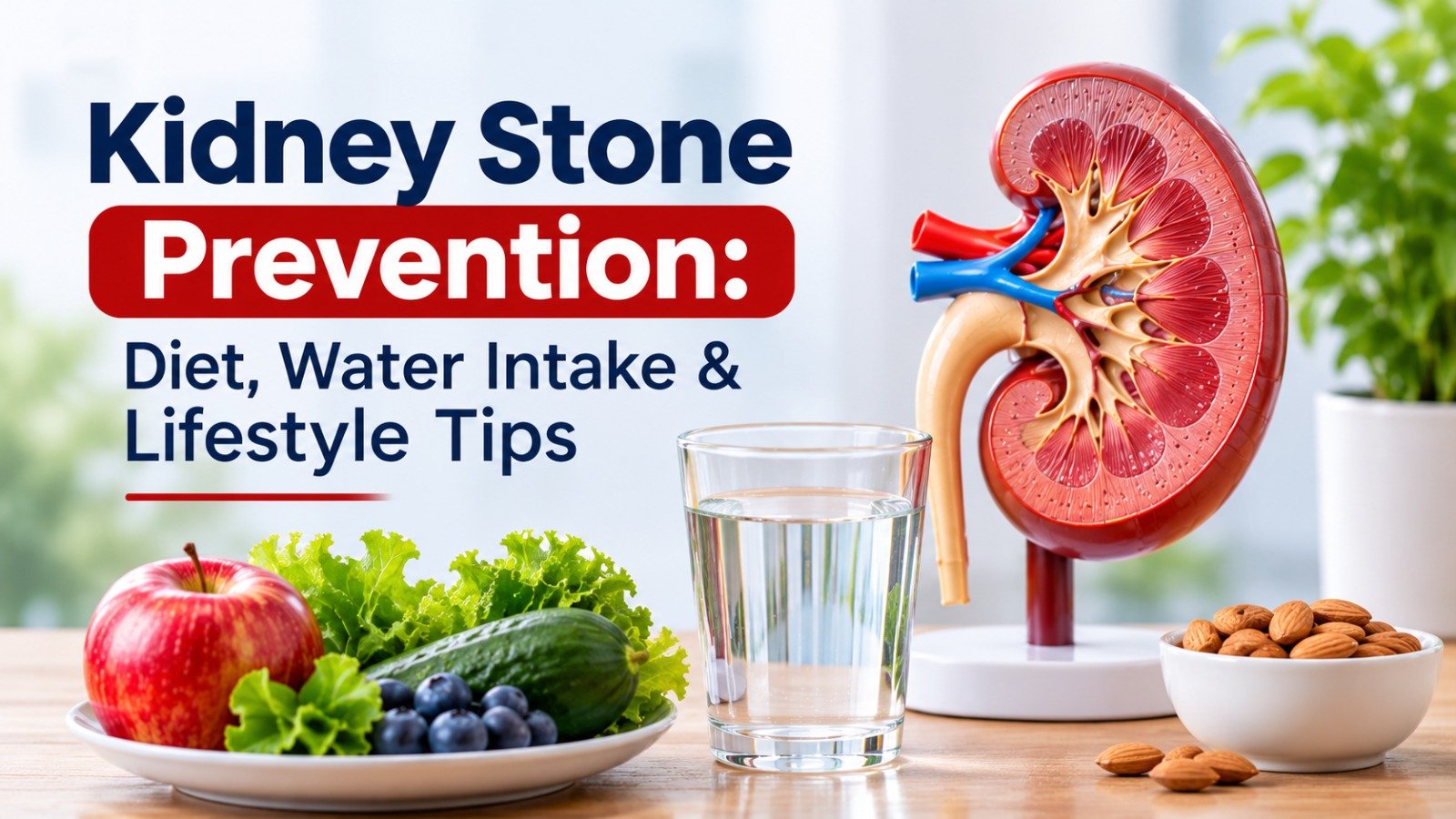
Kidney stones are a common urinary health condition that affects people of different age groups. They develop when minerals and salts in the urine become concentrated and form hard deposits inside the kidneys. These stones can cause severe pain, discomfort, and urinary problems.
The good news is that many kidney stones can be prevented by following healthy dietary habits, drinking adequate water, and maintaining an active lifestyle.
In this blog, we will explore practical kidney stone prevention tips, including the importance of hydration, kidney-friendly foods, and lifestyle changes that can help protect your kidney health.
What Are Kidney Stones?
Kidney stones are hard mineral deposits that form inside the kidneys. They can range from tiny crystals to larger stones that may block the urinary tract.
They commonly develop when urine contains high levels of stone-forming substances such as calcium, oxalate, and uric acid.
Common Symptoms of Kidney Stones
Some people may not experience symptoms until a stone starts moving through the urinary tract.
Common symptoms include:
- Severe pain in the back, side, or lower abdomen.
- Pain or burning sensation during urination.
- Blood in the urine.
- Nausea and vomiting.
- Frequent urge to urinate.
- Difficulty passing urine.
1. Drink Enough Water Every Day
Drinking enough water is one of the most important steps in preventing kidney stones.
Adequate hydration helps dilute urine and reduces the concentration of minerals that can form stones.
Tips for better hydration:
- Drink water regularly throughout the day.
- Carry a water bottle when travelling.
- Increase fluid intake during hot weather or physical activity, if appropriate.
- Avoid excessive consumption of sugary beverages.
- Monitor your urine colour as a general hydration indicator.
People with a history of kidney stones are often advised to produce at least 2 litres of urine daily. The amount of fluid needed varies from person to person.
If you have advanced kidney disease or a prescribed fluid restriction, consult your doctor before increasing water intake.
2. Follow a Kidney-Friendly Diet
A balanced diet can help reduce the risk of kidney stone formation.
Include a variety of fresh fruits, vegetables, whole grains, and appropriate protein sources in your daily meals.
Healthy food choices include:
- Apples and oranges.
- Watermelon.
- Cucumber.
- Cauliflower.
- Bottle gourd.
- Whole grains.
- Suitable calcium-rich foods.
Try to limit highly processed foods and maintain balanced eating habits.
3. Reduce Salt and Sodium Intake
Excessive salt consumption can increase calcium levels in urine, potentially raising the risk of calcium-based kidney stones.
To reduce sodium intake:
- Limit extra table salt.
- Avoid excessive consumption of pickles.
- Reduce packaged and processed snacks.
- Limit instant noodles and salty foods.
- Prefer freshly prepared homemade meals.
Reducing salt intake also supports healthy blood pressure.
4. Do Not Completely Avoid Calcium
Many people believe calcium-rich foods cause kidney stones. However, getting enough calcium from food can actually help prevent certain types of kidney stones.
Calcium binds with oxalate in the digestive system, reducing its absorption.
Suitable calcium-rich foods include:
- Milk.
- Curd.
- Paneer.
- Other calcium-rich dairy products.
Avoid taking calcium supplements without medical guidance.
5. Limit High-Oxalate Foods When Necessary
Calcium oxalate stones are among the most common types of kidney stones.
People who are prone to these stones may need to manage their intake of certain high-oxalate foods.
Examples include:
- Spinach.
- Almonds.
- Peanuts.
- Chocolate.
- Certain nuts and seeds.
- Wheat bran.
You do not need to eliminate all these foods. Dietary recommendations should depend on your stone type and medical evaluation.
6. Maintain a Healthy Body Weight
Being overweight can increase the risk of developing certain types of kidney stones.
Maintaining a healthy body weight through balanced nutrition and regular exercise can support overall kidney health.
Helpful habits include:
- Walking regularly.
- Maintaining a balanced diet.
- Avoiding excessive sugary drinks.
- Practising portion control.
- Following a consistent exercise routine.
Avoid extreme dieting or crash weight-loss programmes.
7. Avoid Excessive Animal Protein
Consuming excessive amounts of animal protein may increase the risk of certain kidney stones, particularly uric acid stones.
Maintain a balanced protein intake and include suitable plant-based protein sources such as:
- Dal and lentils.
- Beans.
- Other appropriate plant proteins.
People with existing kidney disease may have different protein requirements and should follow their doctor’s recommendations.
8. Stay Physically Active
Regular physical activity supports a healthy weight and overall well-being.
However, dehydration caused by excessive sweating can increase the concentration of minerals in urine.
Follow these simple habits:
- Walk or exercise regularly.
- Stay hydrated during physical activities.
- Avoid prolonged dehydration.
- Take extra care during hot weather.
- Replace fluids lost through sweating when medically appropriate.
9. Get Regular Kidney Health Check-ups
If you have experienced kidney stones previously, regular medical check-ups can help identify the factors responsible for stone formation.
Your doctor may recommend:
- Blood tests.
- Urine tests.
- Ultrasound examinations.
- Kidney function tests.
- Stone composition analysis.
- 24-hour urine testing for recurrent stones.
Based on the results, your doctor can suggest suitable dietary changes, preventive medication, or further treatment.
When Should You Consult a Kidney Specialist?
Do not ignore symptoms that may indicate kidney stones or urinary problems.
Consult a healthcare professional if you experience:
- Severe back or abdominal pain.
- Blood in your urine.
- Painful urination.
- Repeated nausea or vomiting.
- Difficulty passing urine.
- Fever or chills along with urinary symptoms.
Fever or chills with suspected kidney stones may indicate an infection or urinary blockage and require urgent medical attention.
Conclusion
Kidney stone prevention starts with small but important lifestyle changes. Drinking adequate water, following a balanced diet, reducing excessive salt intake, maintaining a healthy weight, and getting regular medical check-ups can help reduce the risk of kidney stone formation.