
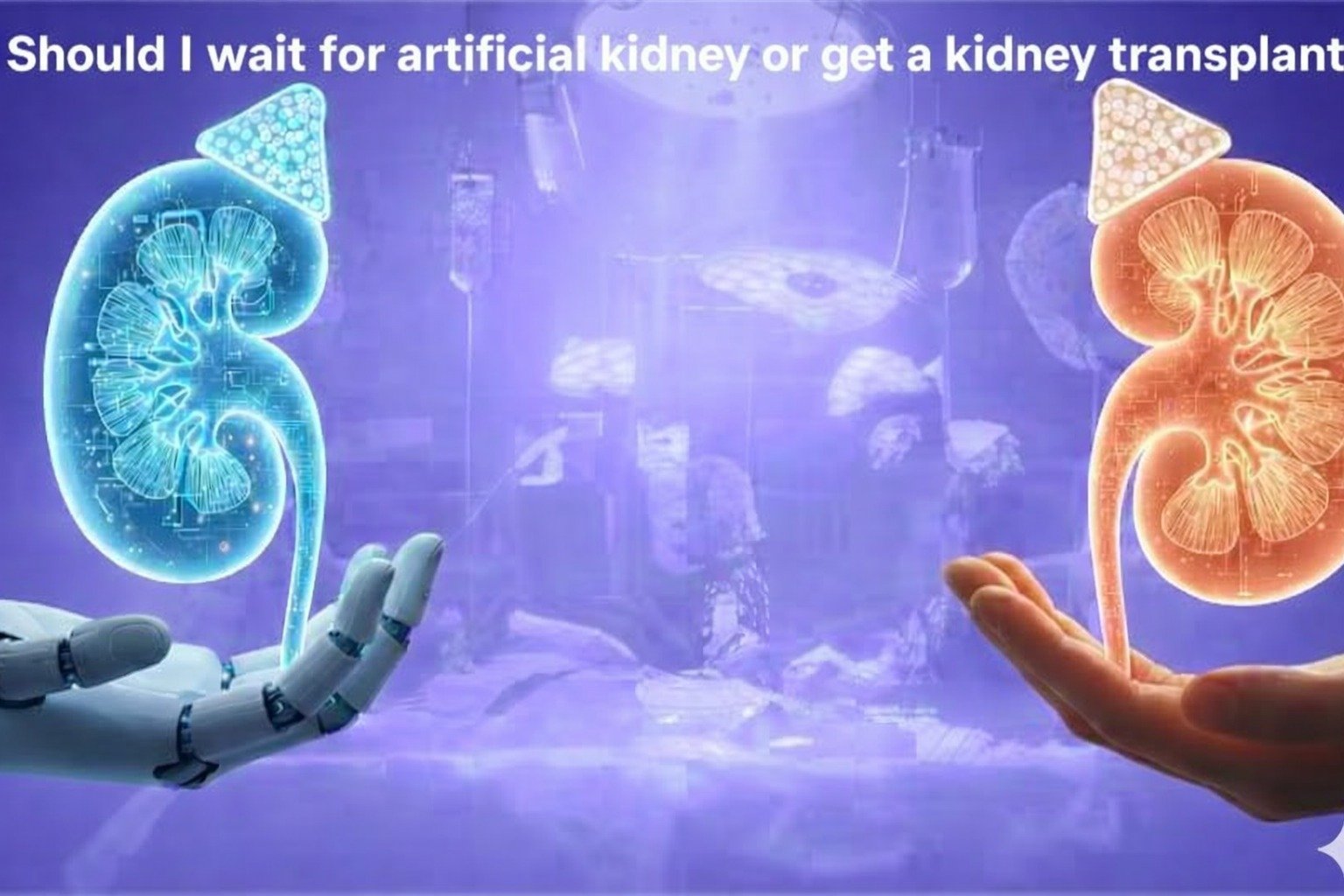
For patients who are dealing with kidney failure, one of the most difficult choices they must make is waiting for a artificial kidney or a kidney transplant. Both are a form of hope for the patient, but they are extremely different in terms of their efficacy and success. The two should be compared to make a proper decision.
1. Current Availability
It is still under research, and it is not that commonly available for the patient. A kidney transplant is an approved one, and this process is also proven.
2. Treatment Effectiveness
Kidney transplant favors more fully replaced kidney functions rather than dialysis and presents improved long-term health outcomes rather than waiting for upcoming advancements.
3. Quality of Life
Kidney transplant recipients can anticipate a boosting of energy levels, fewer dietary limitations, and more flexibility in living, whereas the wait can mean continuing with frequent dialysis treatments.
4. Time and Uncertainty
There is no specific time frame when artificial kidneys would be available for the masses. Trials may continue for a number of years, and results are not guaranteed.
5. Health Risks While Waiting
Dialysis may heighten the risk of cardiovascular conditions, infections, or weakness, which could impede transplantation in the future.
6. Advances In Medical Transplantation
Advances in modern transplantation methods and treatments have led to success and survival improvements for patients.
7. PERSONAL AND MEDICAL FACTORS
Age, general health, availability of the donor, and cost issues go a long way in determining whether to wait or go for a transplant.
8. Doctor’s Recommendation
The majority of kidney experts recommend that patients interested in transplantation pursue that option instead of waiting for new therapies.
Conclusion
Although artificial kidneys hold out hope for the future, kidney transplant is presently the best and most effective option for end-stage kidney disease. For eligible candidates, making a choice among these options may help improve quality of life, minimize risks of illness, and offer a clearer direction towards recovering excellent health.