
Blogs
How to Control Blood Pressure to Protect Your Kidneys

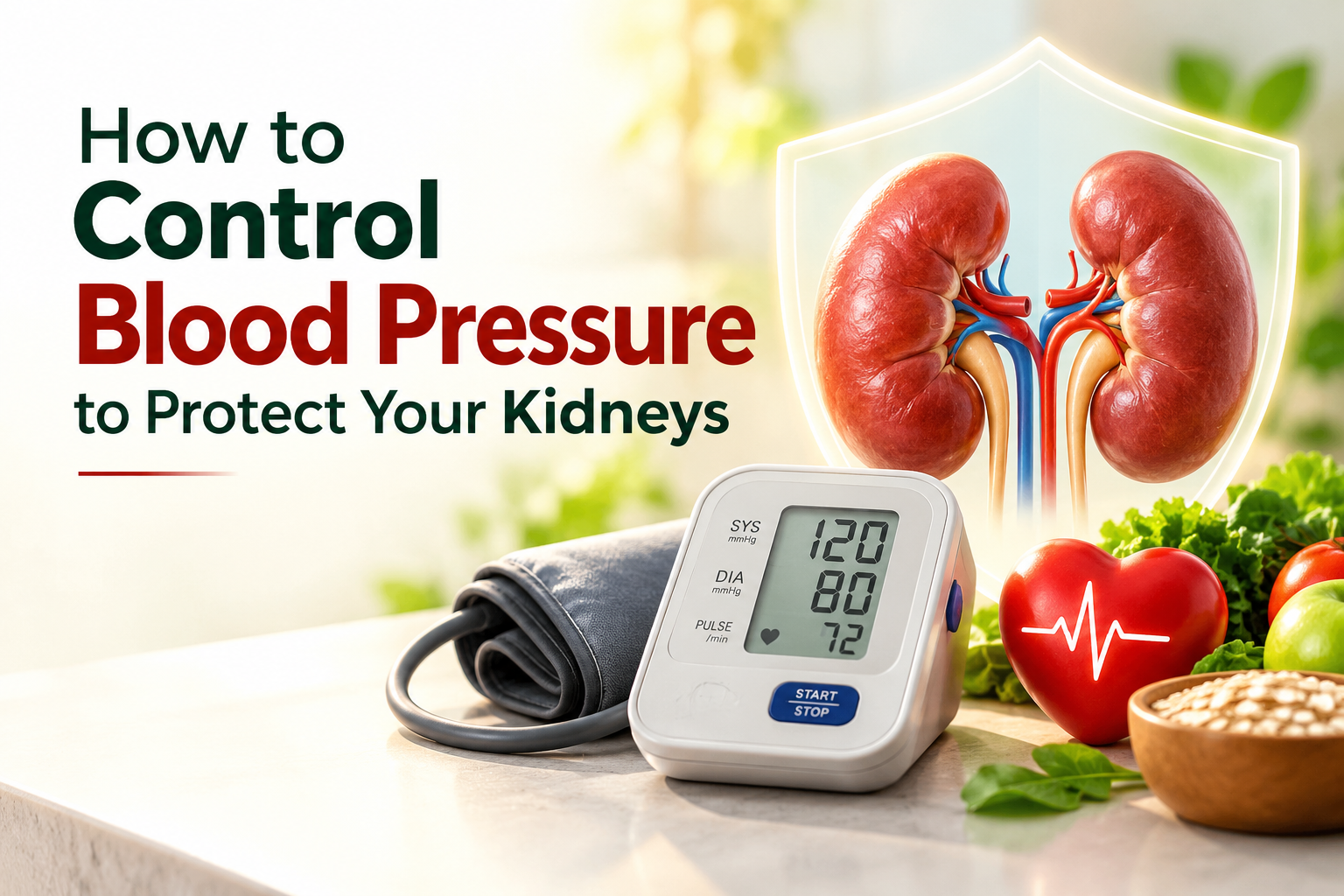
High blood pressure is one of the leading causes of kidney damage. When blood pressure remains high for a long time, it puts extra pressure on the tiny blood vessels inside the kidneys, making it difficult for them to filter waste and excess fluids properly. The good news is that controlling blood pressure through healthy lifestyle choices, proper medication, and regular health check-ups can help protect kidney function. Learn about the causes, effects, and effective ways to manage blood pressure and maintain healthy kidneys.
Causes of High Blood Pressure
Several factors can increase the risk of developing high blood pressure and kidney-related problems.
- Excess Salt Intake: Eating too much salt can cause the body to retain water, increasing blood pressure.
- Unhealthy Diet: Regular consumption of processed foods, fried foods, and unhealthy fats can affect heart and kidney health.
- Lack of Physical Activity: A sedentary lifestyle can contribute to weight gain and high blood pressure.
- Obesity: Excess body weight makes the heart work harder, increasing the risk of hypertension.
- Stress: Long-term stress can contribute to unhealthy habits and increased blood pressure.
- Smoking and Alcohol: These habits can damage blood vessels and increase cardiovascular and kidney risks.
- Family History: Genetics can increase the likelihood of developing high blood pressure.
- Existing Kidney Problems: Kidney disease can also cause high blood pressure, creating a cycle where both conditions worsen each other.
Effects of High Blood Pressure on Kidneys
Uncontrolled high blood pressure can gradually damage the kidneys and affect their ability to function properly.
- Damage to Blood Vessels: High pressure can damage the tiny blood vessels responsible for filtering waste from the blood.
- Reduced Kidney Function: Damaged blood vessels make it harder for the kidneys to remove waste and excess fluids.
- Protein Leakage: Kidney damage may cause protein to leak into the urine, which is an early warning sign of kidney problems.
- Fluid Retention: Poor kidney function can lead to swelling in the feet, ankles, hands, and face.
- Chronic Kidney Disease (CKD): Long-term uncontrolled blood pressure can gradually lead to chronic kidney disease.
- Kidney Failure: Severe and prolonged kidney damage may eventually result in kidney failure, requiring dialysis or a kidney transplant.
Solutions: How to Control Blood Pressure and Protect Your Kidneys
Managing blood pressure is one of the most important steps towards maintaining healthy kidneys. Here are some effective ways to control it.
- Reduce Salt Intake: Limit salt consumption and avoid processed foods, packaged snacks, and excessive salty foods.
- Eat a Balanced Diet: Include fresh fruits, vegetables, whole grains, and healthy food options. If you have kidney disease, follow a kidney-friendly diet recommended by your doctor.
- Exercise Regularly: Walking, cycling, and other moderate physical activities can help maintain healthy blood pressure.
- Maintain a Healthy Weight: Managing body weight can reduce pressure on the heart and blood vessels.
- Stay Hydrated: Drink an appropriate amount of water according to your health condition and your doctor’s advice.
- Avoid Smoking and Limit Alcohol: These lifestyle changes can support better blood vessel and kidney health.
- Manage Stress: Practice meditation, yoga, breathing exercises, and maintain a healthy sleep routine.
- Monitor Blood Pressure: Check your blood pressure regularly to identify any unusual changes.
- Take Prescribed Medicines: Follow your doctor’s instructions and never stop blood pressure medication without medical advice.
- Get Regular Kidney Tests: Tests such as serum creatinine, eGFR, and urine albumin-to-creatinine ratio (UACR) can help detect kidney problems early.
Conclusion
High blood pressure can silently damage your kidneys over time, but taking the right steps can help reduce the risk of serious complications. Following a healthy diet, staying physically active, limiting salt intake, monitoring blood pressure, and taking prescribed medications can make a significant difference.
Remember, protecting your kidneys starts with controlling your blood pressure. Regular health check-ups and early detection are essential for maintaining long-term kidney health. Take control of your blood pressure today for healthier kidneys tomorrow!