
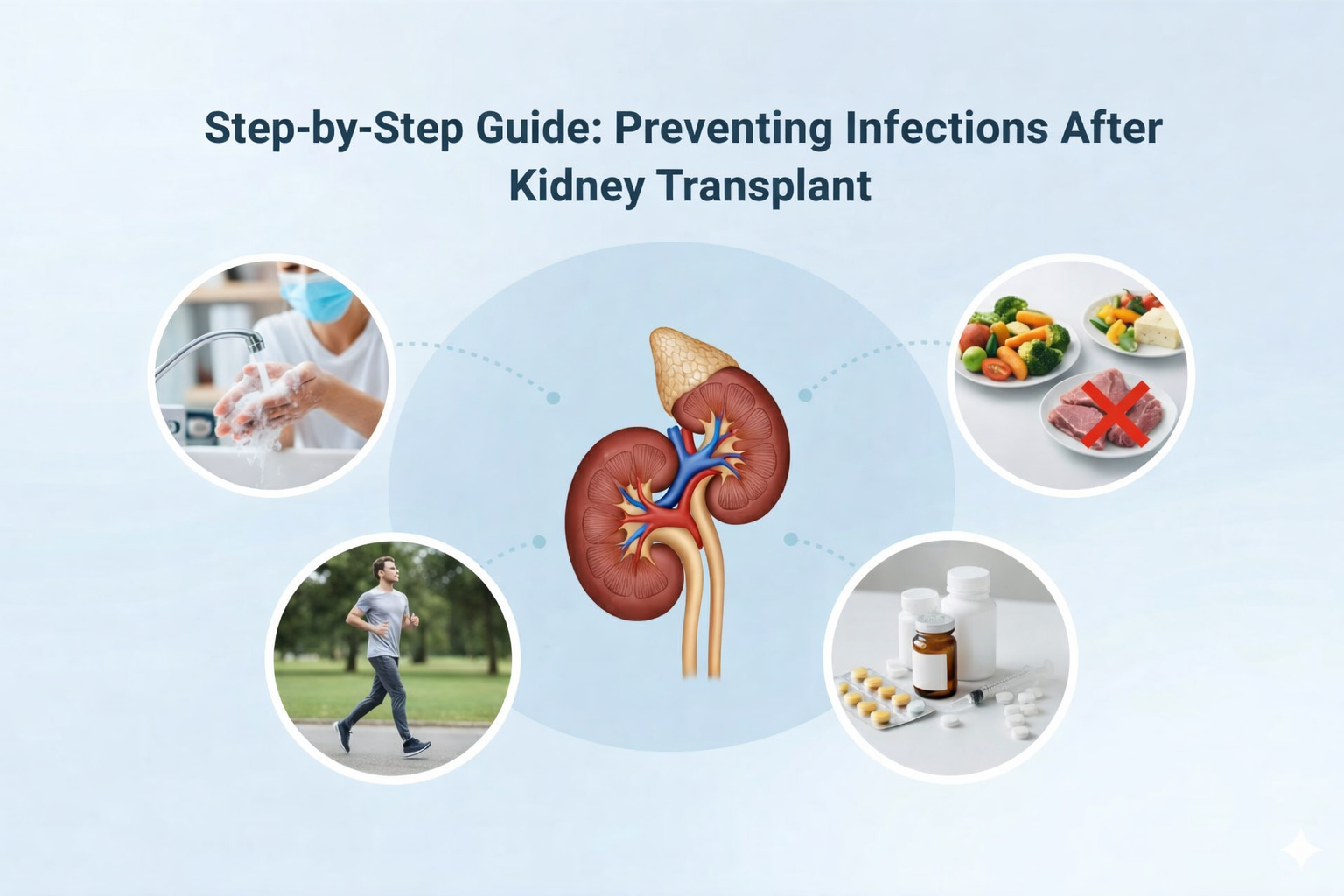
After undergoing kidney transplant surgery, the immune system in the body is suppressed because of immunosuppressive drugs. Even though the drugs protect the transplanted kidney, they might predispose the body to infections. By observing proper precautionary measures, one can avoid infections and ensure the success of the transplantation.
Step 1: Fully Comply With Prescribed Medications
Immunosuppressive drugs should also be taken according to medical prescription to avoid any risk of rejection of the kidneys. Skipping a dose or overdosing may lead to infection or damage to organs.
Step 2. Continue to Keep High Standards of Personal Hygiene
Practicing good hygiene will help protect against the entry of bacteria and viruses into the body. This will help because good hygiene practices include washing hands often.
Step 3: Practice Safe Food and Drinking Habits
Food and water-borne bacteria could be a major cause of infection in transplant patients. The patient should consume prepared food, avoid raw or partially raw food, wash all fruits and vegetables thoroughly, and drink boiled or purified water.
Step 4: Steer Clear of Infections
Infection can easily be caused by crowds and close association with people who are ill. The first few months after a successful transplant procedure require a patient staying away from crowds, wearing a mask in public places, and avoiding people with colds, flu, and other contagious diseases.
Step 5: Take Preventive (Prophylactic)
Antibiotics may be prescribed by doctors to prevent infections from bacterial, viral, and fungal agents.Taking these medications is an important part of the immunosuppressed patient’s routine and should never be discontinued or altered without the doctor’s guidance.
Step 6: Follow Vaccination Guidelines
Immunizations shield against contagious diseases. Only authorized vaccines from doctors should be administered, while live vaccines should be avoided after organ transplants. Relatives should also get immunizations to prevent passing infections to the patient.
Step 7: Properly care for your surgical wound.
The area of the operation needs to be treated carefully to avoid infections. Maintaining a clean and dry area of operation and being aware of any redness, swelling, and/or drainage will certainly prevent infections and alert the healthcare provider to infections that develop.
Step 8 : Monitoring Your Health and Noticing Early Warning Signs
Early treatment helps to prevent serious infections. Patients are supposed to check their body temperatures daily. They should look out for signs like fever, cough, urination pain, diarrhea, or feeling weak.
Step 9: Attend Regular Follow-Up Visits
These regular visits enable the doctor to assess kidney function, recognize any infection earlier on, and manage any medication being taken safely. Missing these appointments may impede diagnosis and pose possible health dangers.
Step 10
– Health Habits
– A healthful lifestyle
Healthy living promotes the immune system and the recovery process. The patient has to observe healthy living by eating healthy food, taking plenty of rest, practicing light exercises recommended by the practitioner, avoiding smoking and alcohol intake, and stress management.
Conclusion
The protection of kidneys against infections after a kidney transplant is a continuous process involving taking medications correctly, observing good health habits through cleanliness and proper handling of food, and monitoring by consulting doctors regularly. Kidney recipients can, therefore, lead a healthier life if they strictly observe the preventative measures above and report any symptoms immediately.