
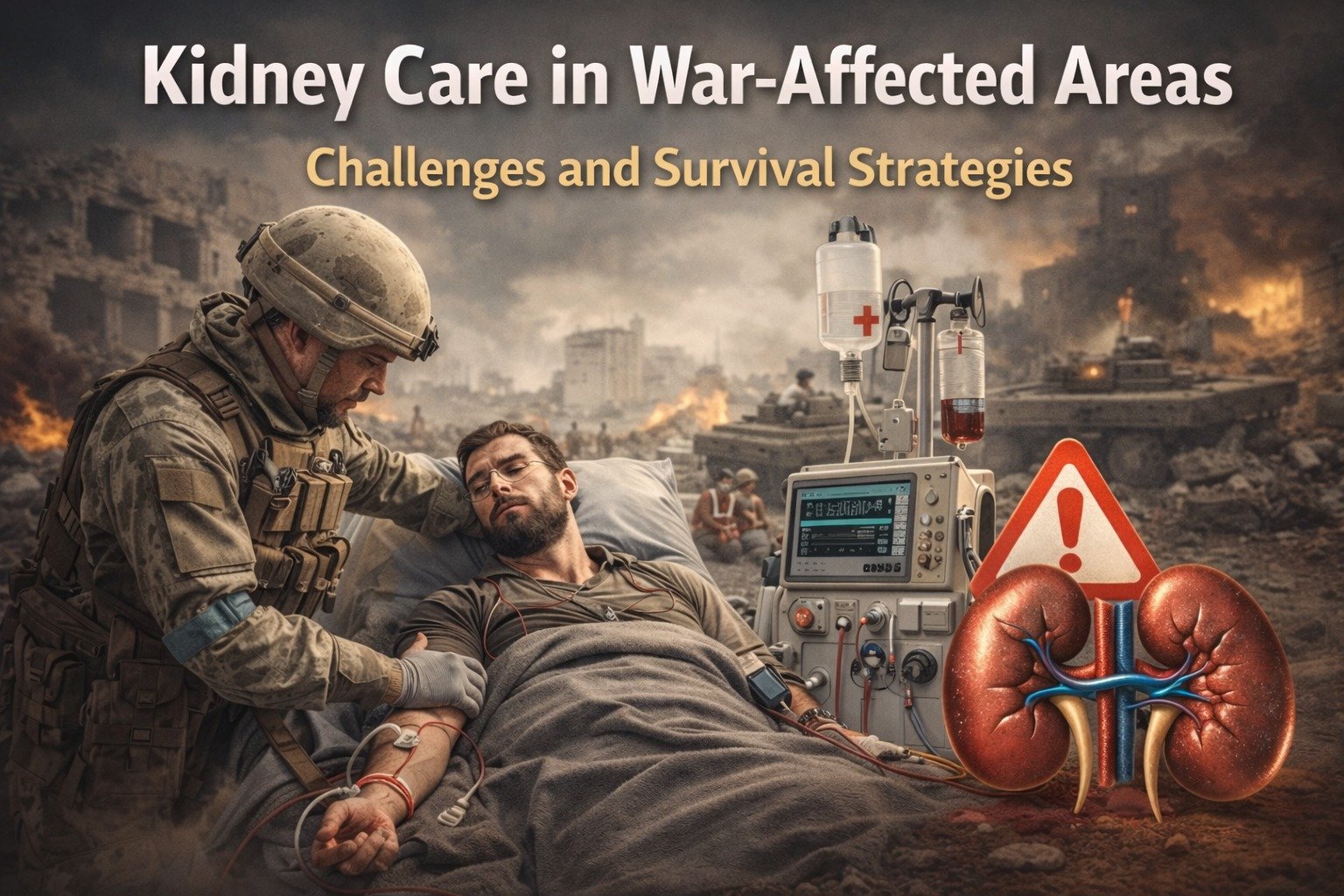
War and conflicts result in dire consequences for societies, especially for those living with chronic diseases. The most affected patients are those living with kidney diseases. These patients are among those who are most affected by conflicts. Diseases such as Chronic Kidney Disease and Acute Kidney Injury require constant medical attention.
In addition, patients require medication and some may require life-saving procedures like dialysis. However, during times of conflict, patients are unable to access this important medical procedure.
Lack of Dialysis Facilities
Dialysis is a medical procedure that is important for patients whose kidneys are unable to function properly. The two major procedures that are performed during dialysis are Hemodialysis and Peritoneal Dialysis. These two procedures are important as they help remove waste products from the blood. However, patients undergoing dialysis require specialized medical equipment and a constant source of electricity.
These are some of the challenges that patients are unable to access during times of conflict. In most areas affected by conflict, patients are unable to access this important medical procedure as most medical facilities are forced to shut down.
Increased Risk of Kidney Injuries
The war situation may also increase the risk of injuries related to the kidneys. Dehydration, infections, and trauma may cause Acute Kidney Injury. Lack of clean and potable water, poor sanitation, and limited access to healthcare services may aggravate the situation.
Individuals in war situations may also be at risk of suffering from nutritional deficiencies, which may impact the kidneys and the general well-being.
Practical Tips for Kidney Care in Crisis Situations
Some measures may be helpful in crisis situations for the care and well-being of the kidneys:
1. Stay Hydrated: Safe and clean drinking water may be consumed in crisis situations to avoid dehydration and reduce the risk of kidney injuries.
2. Monitor Salt and Protein Intake: A well-balanced diet may be helpful in avoiding further injuries to the kidneys, especially in people with kidney disease.
3. Avoid Unnecessary Medications: Certain medications, such as painkillers, may be harmful to the kidneys if consumed without proper medical supervision.
4. Seek Medical Support Early: If signs and symptoms, such as swelling, reduced urination, and fatigue, are noticed, medical support may be sought at the earliest.
Role of Humanitarian Organizations
Humanitarian organizations like World Health Organization and International Committee of the Red Cross are very crucial in offering emergency healthcare services in war-affected areas. These organizations may help in funding dialysis services, providing medication, and rebuilding healthcare facilities.
Conclusion
The life of a person suffering from a kidney disease in war-affected areas is in grave danger. Access to dialysis, medication, potable water, and nutritious food is vital in keeping them healthy. Humanitarian services, medical support, and awareness are vital in keeping a person with a kidney disease alive.